

Our Medical Model – How It Builds Brighter Futures
Central to our Therapeutic offering at WhiteTrees is our belief that our young people’s lifestyles will either promote or hinder their growth, and that the education that we provide to them around this is key. The way our young people live in the smaller moments, such as what they eat and how they sleep, are critical to not only their development but to their general wellbeing.
This is why at Whitetrees, our team of GPs (click here to meet them) work alongside our homes and schools to advocate and promote lifestyles that fuel brighter futures. We believe that by instilling a culture where our lifestyle choices are understood, we will have healthier and happier teams that are able to model and educate our young people in their everyday interactions.
Trauma impacts our brains and bodies, having a long-lasting impact on health outcomes. At Whitetrees, our young people are empowered to access thorough medical support and guidance from our team of GPs, who spend time getting to know their early life experiences to understand how we can create the brightest prospects. Through working with the principles of lifestyle medicine, we capture where our young people’s health may be vulnerable and explore how small changes can have great impacts.

1. Nutrition
Many of our young people at WhiteTree’s have previously experienced irregular or harmful eating habits, which may lead to nutritional deficiencies, due to neglect, poverty, or emotional stress.
Regular, balanced meals promote growth, brain development, emotional regulation, and a sense of security through routine.
Our young people are encouraged to be involved in their weekly shops, menus, and snack boxes, with adults creating a variety of moments for them to express their wishes. Our homes encourage diets that promote fueling our young people’s bodies and minds, through using whole and fresh foods throughout our menus, and thinking about the impact of specific food groups on factors including energy and concentration. The food we consume impacts us everyday, and at WhiteTree’s, the nutrition of our young people is pivotal in building brighter futures.
At WhiteTree’s, shared mealtimes are important. They often bring opportunities for connection, trust-building, and belonging within our homes.
2. Physical Activity
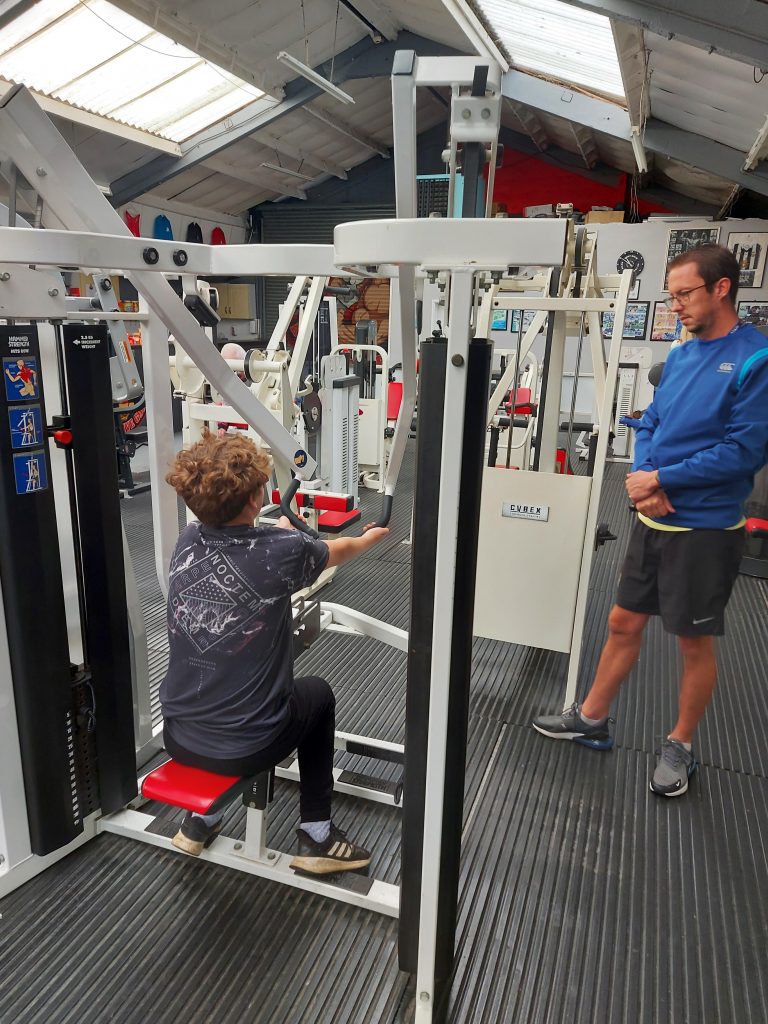
We believe that encouraging regular movement through play, sport, dance, walking, or other enjoyable physical activities can greatly improve our young people’s wellbeing, resilience, and self-esteem. Physical activity improves not only physical health but also mental wellbeing, reducing anxiety, depression, and hyperarousal.
Many care-experienced young people can struggle to navigate their nervous systems, as a trauma response, they are often in a state of hyper arousal, looking for threats or danger. Physical activity can help through regulating the nervous system, providing a healthy outlet for expression, and by finding belonging within a group or community.
A walk, visit to the gym, or playing a sport such as football can support a new connection between a young person and an adult. These movements of shared interests, enjoyment, and often laughter, strengthen a young person’s relationship with staff and create new, positive experiences.

3. Restorative Sleep
Sleep is one of the key pillars of lifestyle medicine and is essential for the healthy growth and development of our children and young people. At Whitetree’s, we emphasize how good-quality, consistent sleep supports physical growth, brain development, emotional regulation, and immune function in our young people. During sleep, the body repairs tissues, balances hormones, and consolidates learning — all vital processes for our growing minds and bodies.
For children and adolescents, adequate sleep is closely linked to better concentration, mood, academic performance, and overall wellbeing. In contrast, insufficient sleep can lead to irritability, difficulty focusing, overeating, and increased risk of obesity and mental health problems. Experiences of developmental trauma, unsafe environments, or the absence of a nurturing parent, can further disrupt sleep, leading to nightmares, insomnia, or heightened nighttime anxiety. These disturbances can compound emotional distress and make it harder for young people to recover and thrive.
Promoting healthy sleep habits, or “sleep hygiene,” is central to our care and support at Whitetrees. This includes maintaining a consistent bedtime, limiting screen time before sleep, keeping bedrooms cool and dark, and encouraging regular physical activity and daylight exposure. Our nighttime routines are individualised to each young person, ensuring their needs and experiences are accounted for when creating an environment that fosters relaxation and safety.
Strategies such as weighted blankets, mood lighting, relaxation techniques or specialist sleep aids are used, so that our young people can feel safe and comforted whilst resting. We know that by fostering these habits early, whilst having trauma-informed outlooks, our homes and schools can help children and young people build strong foundations for living longer and healthier futures.
4. Mental Wellbeing (Stress Management)
Mental Wellbeing or Stress Management is another key pillar of lifestyle medicine which WhiteTrees embraces, focusing on how young people understand, reduce, and respond to stress in healthy ways. Our young people often come into our homes or school settings having experienced significant stress at a very young age, leaving their minds and bodies overwhelmed and exhausted.
When stress becomes persistent or overwhelming, it can lead to anxiety, depression, and unhealthy coping behaviours such as overeating, withdrawal, or irritability. For those who have experienced trauma, stress responses may be heightened — the body can remain on alert even in safe situations, making relaxation difficult. This prolonged activation of the stress response can affect development, learning, and relationships if not addressed with supportive strategies.
At WhiteTrees, our combined therapeutic approach means that Mental Wellbeing and Stress Management are embedded in our practice. Our assessment tool gives us an initial understanding of our young person’s emotional wellbeing, allowing us to direct our care to their needs quickly and effectively. Our Building Brighter Futures Team and Specialist Teams mean that we have access to in-house psychologically informed support and resources, and have our qualified professionals to aid us in further clinical guidance.
WhiteTrees encourages practices that calm the body and mind, such as mindfulness, deep breathing, creative activities, and time in nature. Building strong social connections and fostering a sense of safety and belonging are also central to resilience. Our young people are encouraged to constantly grow their toolbox of strategies to cope with stress and adversity, supporting lifelong mental and physical health.

5. Healthy Relationships
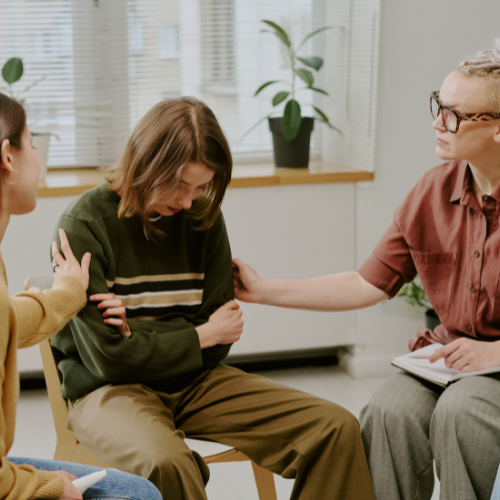
Healthy relationships are a vital pillar of lifestyle medicine and the communities we create at WhiteTrees. Healthy relationships are especially important for children and young people who have experienced trauma or adversity. Relationships provide a foundation for safety, trust, and emotional growth — all essential for healing and healthy development. Positive, supportive and consistent connections with caregivers, teachers, and peers help young people regulate emotions, build confidence, and develop a sense of belonging, which can be disrupted by traumatic experiences.
For some of our young people, their lived experiences can make it difficult to trust others and form attachments, but nurturing relationships can help rewire stress responses, reduce anxiety, and promote resilience. Within lifestyle medicine, fostering connections that are safe, consistent, and compassionate is key to supporting both mental and physical health. Social engagement also extends beyond close relationships: spending time with peers, participating in group activities, and having fun together strengthens emotional wellbeing and helps buffer the effects of stress and adversity.
In addition to connection, lifestyle medicine emphasizes activities that bring joy, purpose, and contribution. Our homes and schools are grounded in play, exploring hobbies, volunteering, or helping others, with these all having a powerful, positive effect on mental and physical health. These activities encourage social connection, improve mood, build self-esteem, and create a sense of meaning — all of which are especially important for young people recovering from trauma. By combining safe relationships with opportunities for play, purpose, and contribution, children and adolescents can build resilience, thrive socially and emotionally, and lay the foundation for lifelong brighter futures.
6. Minimising Harmful Substances and Behaviours
Minimising harmful substances and behaviours is a key focus of lifestyle medicine and our work at WhiteTrees. This area is especially important for children and young people, particularly those who have experienced trauma or adversity. Substances such as alcohol, tobacco, and recreational drugs can have a more profound impact on the developing brain, affecting learning, memory, emotional regulation, and decision-making. For young people, early exposure can also increase the risk of addiction and long-term health problems.
Children and adolescents who have experienced trauma are often at higher risk of turning to substances as a way to cope with stress, anxiety, or unresolved emotional pain. Trauma can heighten the brain’s stress response, making risky substances more appealing as a form of self-soothing. Lifestyle medicine, alongside our therapeutic model, emphasizes understanding these underlying factors and supporting young people with safe, healthy coping strategies.
Promoting avoidance of risky substances involves education, strong social support, and fostering protective factors such as self-esteem, positive peer relationships, and meaningful activities. Encouraging hobbies, sports, volunteering, creative pursuits, and other forms of purposeful engagement can provide natural rewards and emotional regulation, reducing the appeal of substances. By addressing both the environmental and emotional influences, WhiteTrees helps young people build resilience, make healthier choices, and protect both their immediate and long-term physical and mental health.

Our combined model supports the health and wellbeing of children and young people in ways that align with the 9 Quality Standards and the Children’s Homes (England) Regulations 2015. These standards require children’s homes to provide a safe environment, meet health and emotional needs, support education, encourage positive relationships, promote independence, and ensure staff are skilled and responsive. By promoting healthy behaviours such as balanced nutrition, physical activity, good sleep, stress management, and avoidance of risky substances, WhiteTrees helps children thrive while supporting these regulatory requirements.
At WhiteTrees, lifestyle medicine can directly support the standards by fostering safe and predictable routines, ensuring trauma-informed care, and promoting social connection. Examples throughout our services include; encouraging regular physical activity and structured mealtimes supports health (Standard 5: Health), while promoting positive relationships and emotional wellbeing aligns with Standard 7 (Children’s views, wishes and feelings). Mindfulness, relaxation, and creative activities help meet Standard 6 (Education) and Standard 9 (Leadership and management) by supporting staff in delivering high-quality, person-centered care.
Our integrated approach at WhiteTree’s ensures that regulatory and quality standards are met while also promoting resilience, emotional regulation, and lifelong wellbeing. By combining healthy routines, trauma-informed practices, and supportive relationships, children and young people—particularly those who have experienced adversity—are empowered to grow, learn, and flourish in a safe and nurturing environment.